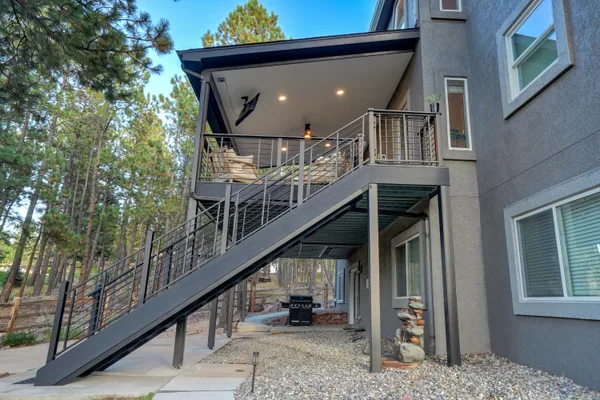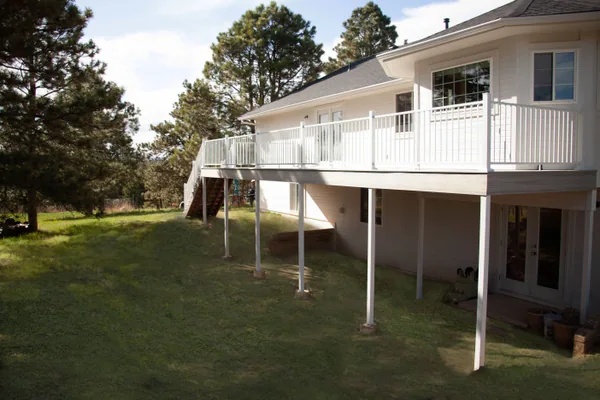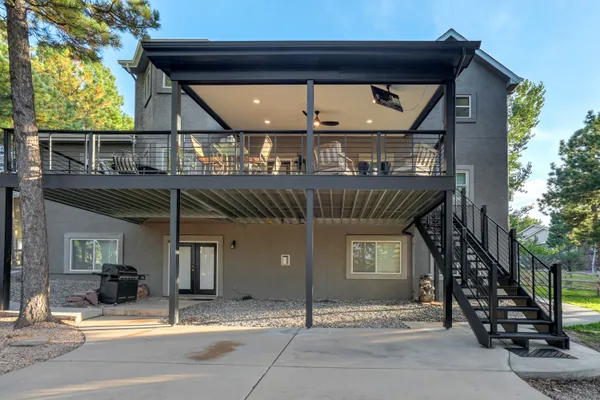
Steel-Frame Decks: Why Colorado Springs Homeowners Are Making the Switch
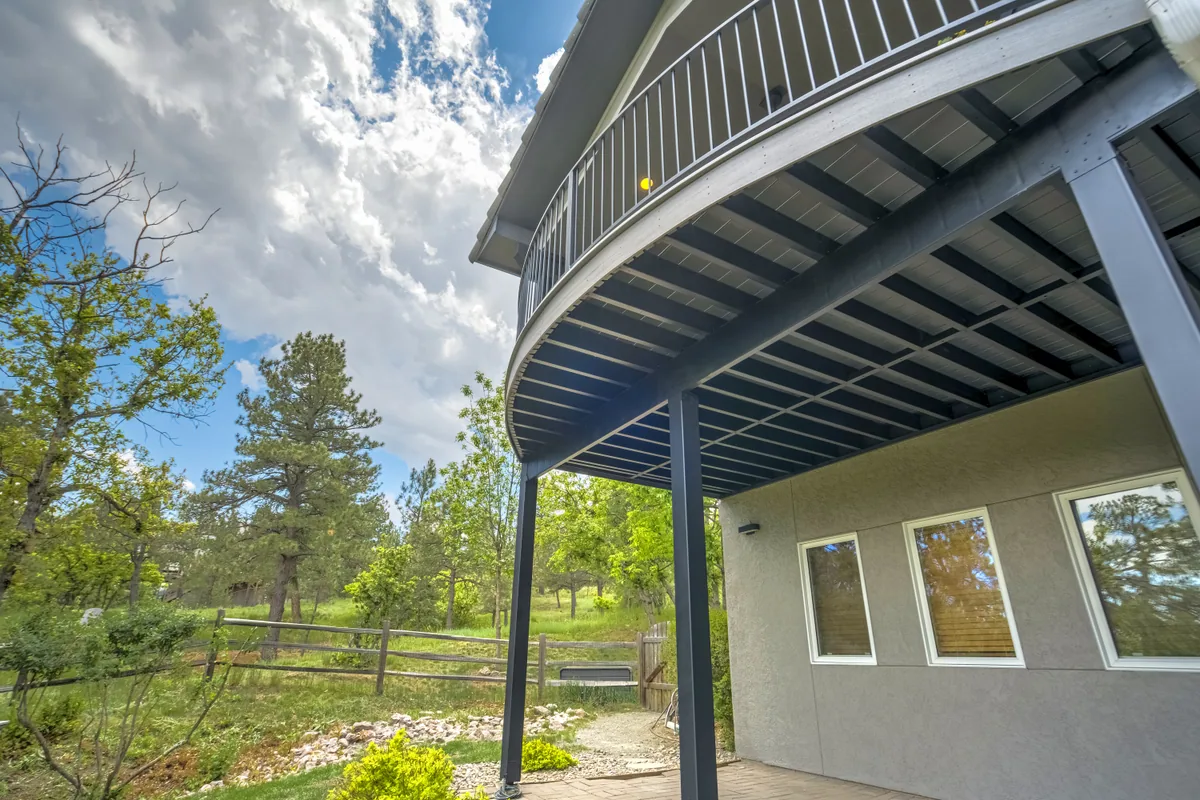
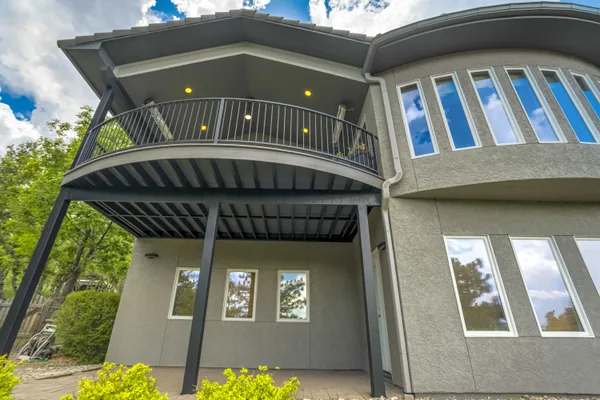
Why steel framing suits your Colorado Springs deck: it does not absorb moisture, does not burn, and holds up to freeze-thaw and UV.
In this post
Colorado is hard on a deck. Hail, high-altitude UV, freeze-thaw cycles and wildfire risk all test the frame under the boards, and the frame is the part you can’t easily replace later.
That’s why more Colorado Springs homeowners are switching to steel-frame decks. They cost a bit more upfront, last decades longer, and are often the smarter long-term investment.
Here’s what to know — from Bigfoot Decks & Landscapes, Colorado Springs’ family-owned deck builder for four generations.
Three Systems We Install
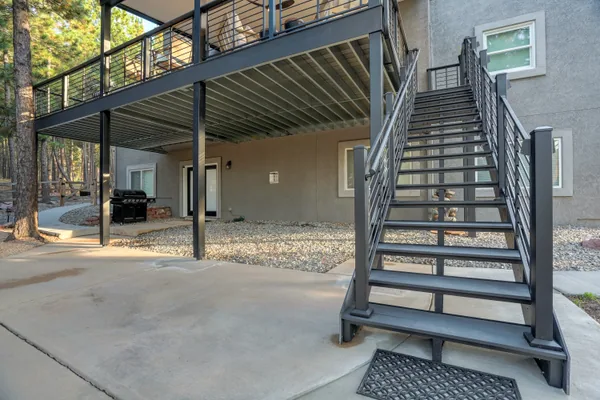
- Galvanized steel framing (G90) — our primary framing system
- Powder-coated steel framing — compatible with most composite and PVC decking
- Powder-coated aluminum framing — lighter than steel, with no rust risk; our premium option
We pick the right system based on your decking choice, budget, and how long you plan to stay in your home.
We recommend steel framing for almost every deck we build. Every site is different, though, so we’ll come out, look at your project, and recommend the frame that fits it.
What G90 Galvanized Steel Means
Not all galvanized steel is equal. The grade refers to how much zinc coating protects the steel from corrosion. G90 — what we use — means 0.90 ounces of zinc per square foot (per ASTM A653).
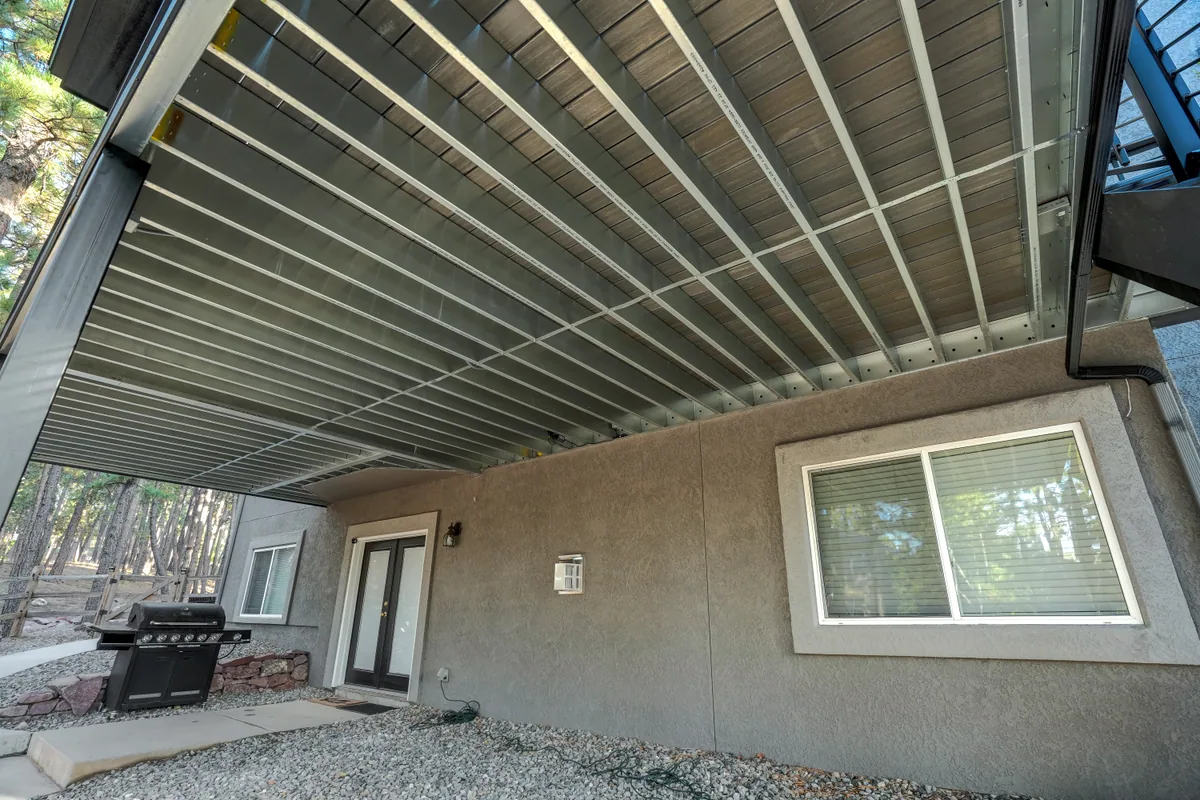
Some contractors save a few dollars by using G60. We don’t. G90 is the standard most engineers specify for exterior structural framing.
Aluminum Framing: The Premium Alternative
For homeowners who want zero rust risk, powder-coated aluminum framing is the premium option. It’s lighter than steel (great for elevated or rooftop decks), and aluminum doesn’t oxidize the way steel can.
For elevated decks or “build it once, never again” projects, it can be the right call.
Why Steel Makes Sense in Colorado
- Freeze-thaw cycles — 100+ per year here. Steel doesn’t absorb moisture, expand, or split.
- UV at altitude — at 6,000+ feet the sun is intense, and steel is unaffected by it.
- Wildfire / WUI compliance — steel doesn't burn. Read the Colorado Springs wildfire code for what Appendix K asks of decks on your parcel.
- Hail and storm performance — steel framing doesn’t dent or warp from impact-related vibration
- Rocky and clay soil settling — a steel frame carries the load evenly and doesn’t move
Steel Framing for the Long Haul
For homeowners staying in their home more than 10 years, steel typically pays for itself before resale. Flexible financing is available if the upfront cost is a hurdle.
Decking Pairings We Build
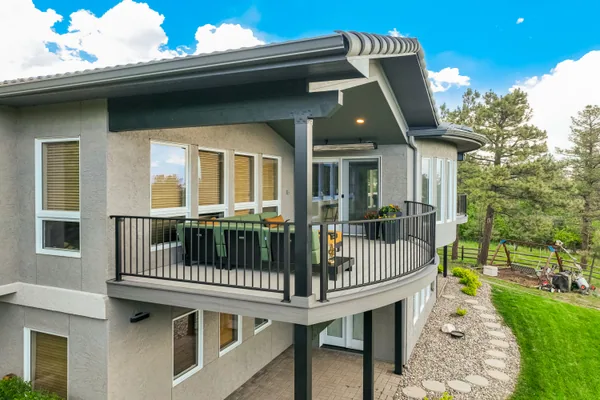
We pair our frames with composite or PVC decking. Galvanized steel framing under composite decking is the combination we build most.
Planning a project like this?You walk the property with us, and you leave with a plan.
Get a quoteWhy Bigfoot
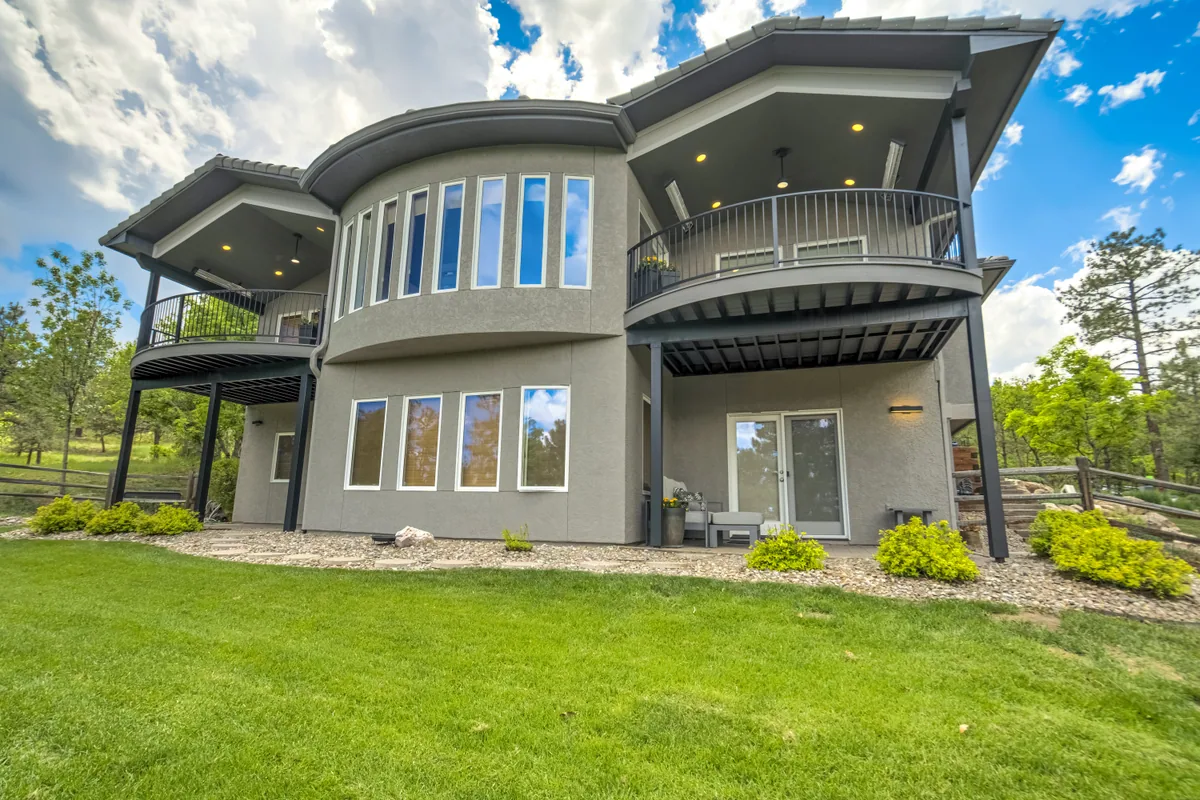
Four generations of Colorado outdoor living experience. BBB accredited. Best of the Springs winner. We design and build decks, patios, pavilions, pergolas, and landscapes as one cohesive outdoor system.
Are steel-frame decks worth the extra cost in Colorado?
For most homeowners staying 10+ years, yes. Steel doesn’t move through our freeze-thaw cycles, it’s unaffected by UV at altitude, and it doesn’t burn. Steel typically pays back its premium within 10–15 years
Should I choose steel or aluminum?
G90 galvanized steel is the right frame for most projects. Powder-coated aluminum framing is a premium option for elevated decks, or for homeowners who want no rust risk at all.
Can I convert my existing wood deck to steel?
You can’t retrofit existing framing, but if your boards are aging anyway, that’s the right moment to upgrade the substructure. See our guide on when to replace your deck.
Do steel-frame decks rust?
Properly installed G90 galvanized or powder-coated systems carry 25–50 year corrosion warranties. We’ve never seen one fail from rust in Colorado’s dry climate.